
Owning a log home: care and maintenance, honestly
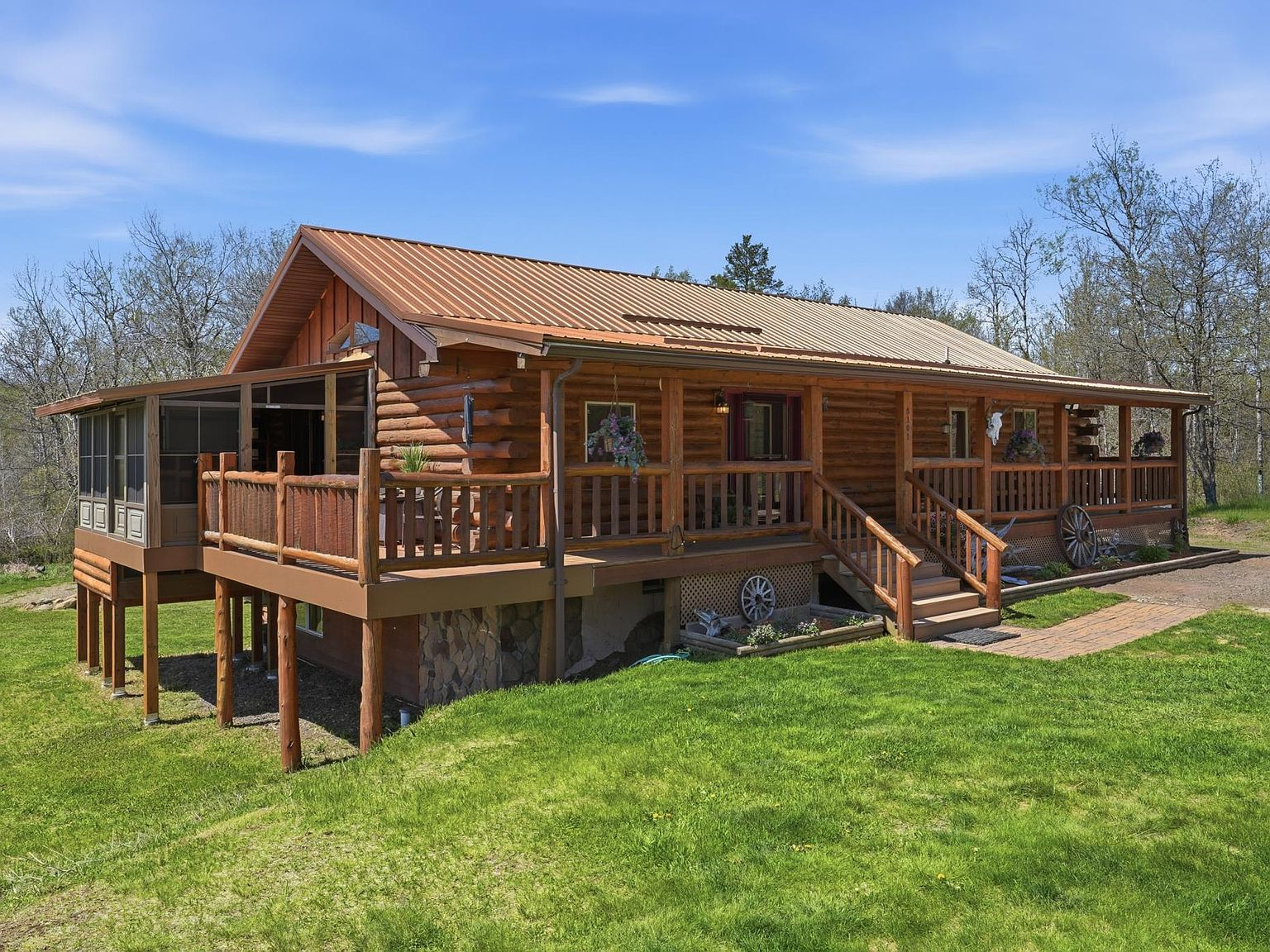
A log home doesn't ask for a constant project. It asks for a rhythm: an inspection every year or two, and re-sealing when the chinking tells you it's time. The property at N6101 9th St has already had its re-caulking and chinking completed recently, which tells you the list has been kept.
If you're considering the 3-bedroom, 2-bathroom log home at N6101 9th St in Spooner, Wisconsin, one question probably sits near the top of your list: what does it actually take to own a log home? The short answer is that log homes reward attention, not worry. The structure itself is the whole house inside and out, and the maintenance work is honest and visible: you can see exactly what needs care, which is more than many stick-built homes can say.
What does owning a log home actually require?
Three things matter more than anything else with logs: moisture control, chinking and caulk condition, and the finish that protects the wood. A well-built log home keeps water out through its seams, and those seams are the maintenance point. The chinking that fills the gap between stacked logs flexes as the wood moves with the seasons, and over time it can crack or pull loose. That's why the property at N6101 9th St having recent re-caulking and chinking done is a meaningful detail, not marketing language: the hardest part of a log home's upkeep list has already been handled recently.
What's the most important annual check?
Inspect the caulk and chinking lines once a year, in early spring or late fall when the weather is moderate. Walk the perimeter of the home and look at every joint between logs: spots where caulk has pulled away, cracked, or softened should be noted and re-sealed before they let moisture in. Check the finish on sun-exposed walls, where UV does the most to work on stain or sealant, and touch up areas that look gray, dull, or checked. Look up, too: the roof and where it meets the walls, and the flashing around chimneys and skylights, are the next most common entry points for water.
How much does log home maintenance cost?
The honest answer is that it varies widely and we won't write a number here, because the right figure depends on the size of the build, whether the finish is stained or sealed, and whether you're hiring a professional or handling touch-ups yourself. The pattern matters more than the number: most years cost little, maintenance is one modest project (more re-sealing, spot finish work), and the occasional big-ticket item (a full finish or re-chalking cycle) shows up every so often. Budgeting a small reserve each year for the property's upkeep turns that pattern from a surprise into a routine, and it's the same discipline that kept the maintenance history at N6101 9th St current.
What about the rest of a log home?
The same systems every house needs are here too, with a few northern-Wisconsin twists. The chimney deserves an annual sweep. Gutters and downspouts matter more than usual because they direct snowmelt away from log walls. The solar panels on the detached garage need occasional cleaning to stay efficient, though the major components are covered by a warranty. The in-floor heat and the heated garage mean fewer freeze-up worries than forced-air systems, but a simple fall check of the system's thermostat and zones is a good habit before the first deep-freeze. None of this is exotic, and none of it is unique to a log home. It's just a list a previous owner keeps, and a new owner inherits.
The yard work deserves its own note: 1 acre of lawn with the forest edge and Potato Creek at the property line. That's manageable for a homeowner on a riding mower, and it's the kind of space that makes the maintenance worth it. When you spend your weekends on the property rather than on a project, the list has done its job.
What a maintenance-ready log home looks like
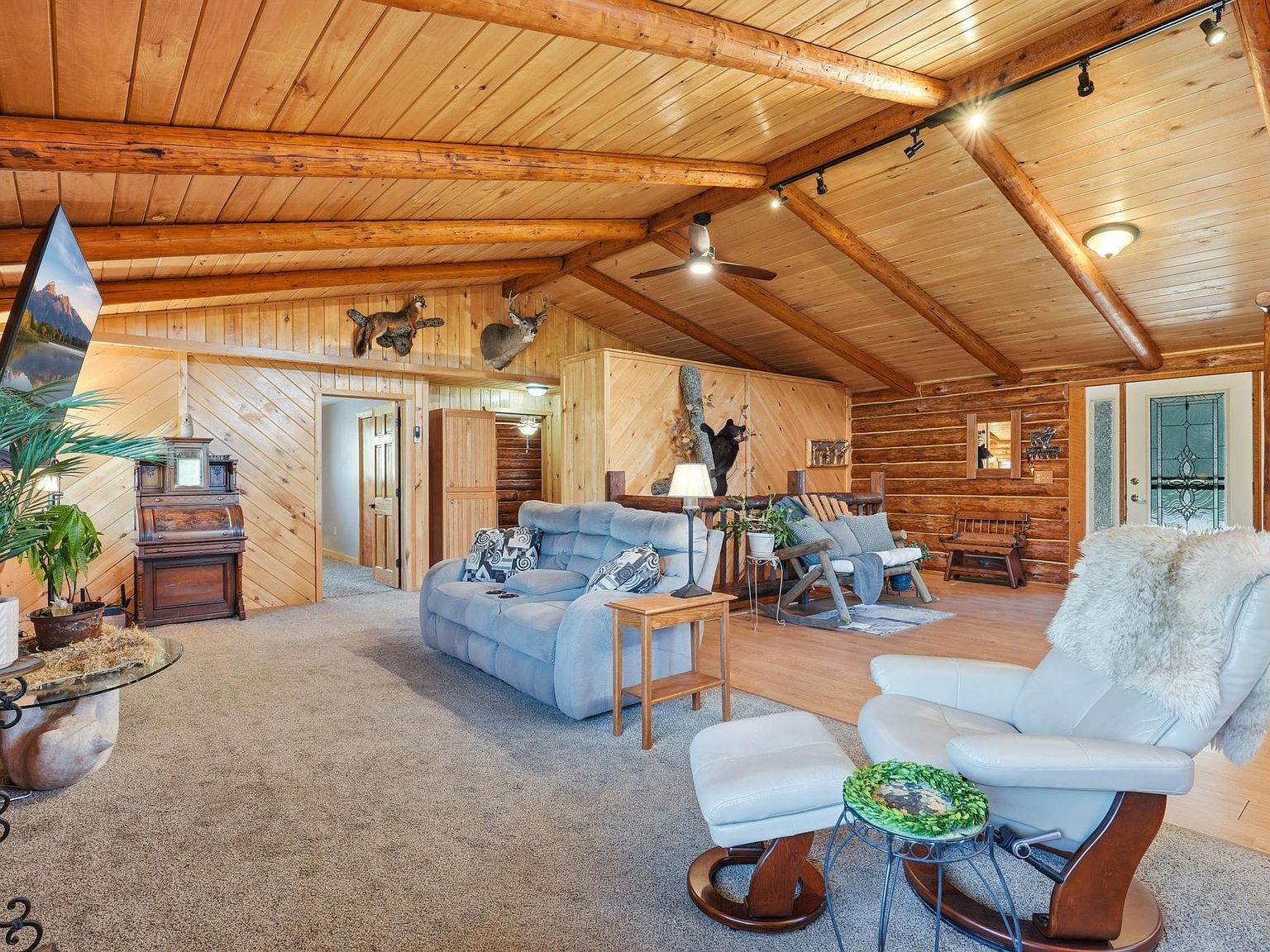
The log home at N6101 9th St sits on 1 acre at the edge of Spooner, Wisconsin. Its stacked log construction is visible throughout the interior and exterior. The recent re-caulking work is done. The owned solar panels on the garage come with a transferable warranty. The radiant in-floor heat keeps the home warm in winter, which means the logs and the systems inside stay at steady temperatures. In other words: come take a look at a log home where the list is already caught up, and judge the maintenance story for yourself. Start with the style of this log home and the energy picture at this property, then come walk the house and the property lines.
See the full N6101 9th St page with photos, facts, and price.
Watch the property video, then tell me what you'd want to know next.
— Visit
Come see the maintenance story in person.
We'll walk the chinking lines, point out the recent re-sealing, and show you exactly what a well-kept log home looks like.
Schedule a walk-through